Repair Costs Before Selling: ROI Calculation in Quebec
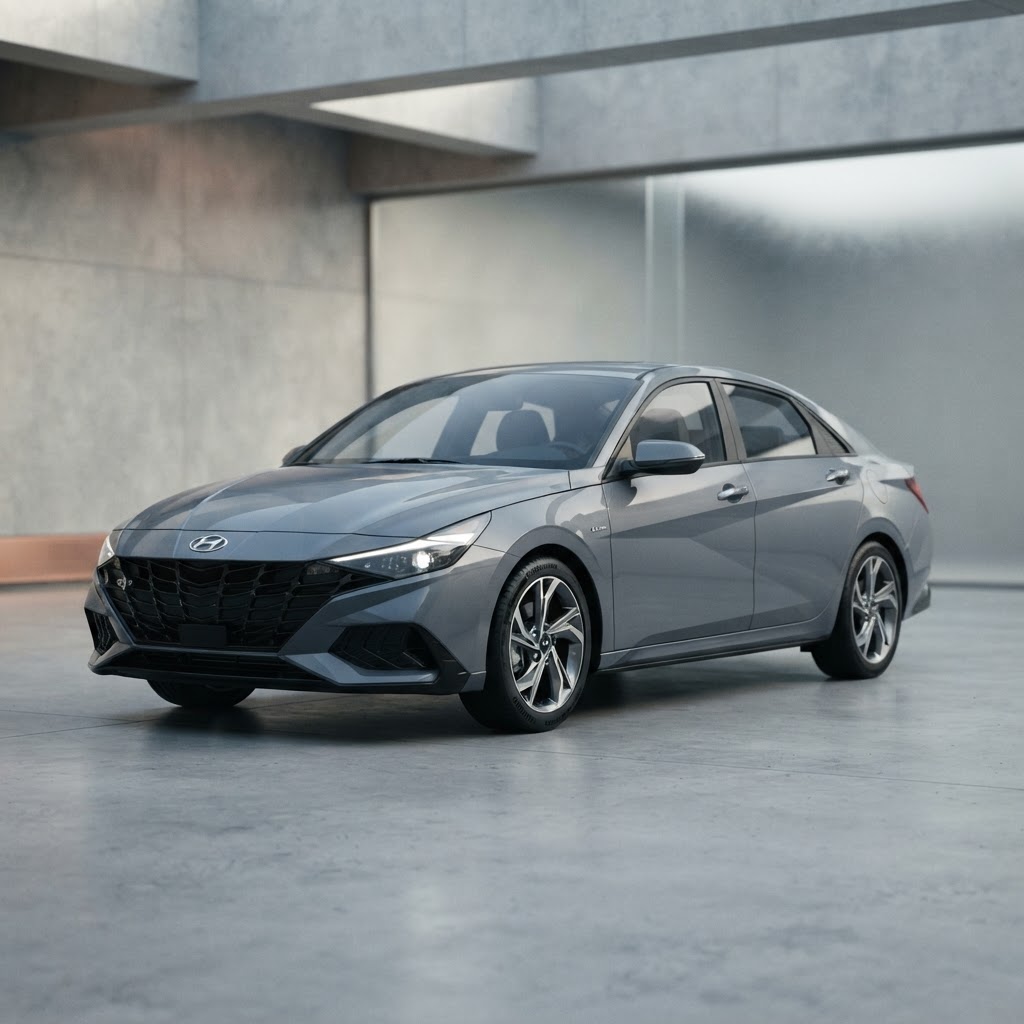
The reflex is human: before posting an ad on Kijiji or meeting a buyer in Montreal or Quebec City, you want the car to be impeccable. We tell ourselves that by fixing that suspension issue or that engine light, we will recover our investment. This is where many Quebec owners make their biggest financial mistake. In 2026, the used car market is demanding, but not necessarily for what you might think. ## The Refurbishment Trap There is a fundamental difference between the "market value" and the "sentimental value" of your car. If you invest $1,500 to replace a steering rack on an old SUV that is worth $5,000 on the market, you will not be able to resell it for $6,500. Most buyers, especially professionals, have access to shop rates that are much more competitive than yours. Your $1,500 invoice at the local dealership probably costs a professional who does their own repairs $700. You are therefore paying full price for value-added that the market will never repay you for. ## The $1,000 Rule In the current Quebec market, a simple rule of thumb applies: if the repair costs more than 10% of the vehicle's total value, it is rarely profitable. For a vehicle with a residual value under $8,000, do not touch the heavy mechanical work. * Brakes: If it is safe, leave them. If it is dangerous, the vehicle is legally unsellable. * Tires: Winter tires worn to the cords drive buyers away. A set of used but decent tires is worth more than new tires on a 10-year-old car. * Bodywork: Perforating corrosion cannot be repaired cost-effectively. Never spend money to hide rust with body filler. ## The Impact of Winter Tires In Quebec, a vehicle without winter tires in November is a major barrier to a transaction. This is where the investment pays off. A buyer who sees that you have a set of winter tires on steel rims ready to be installed immediately removes the stress of dealing with the SAAQ and the mechanic. This can influence the final sale price by $300 to $500, which is often higher than the actual cost of used tires. ## The Case of Dashboard Lights The infamous "Check Engine" light is the number one killer of trust. A private buyer will panic and imagine the worst-case scenario, often a transmission failure or engine defect. If you sell to a private individual, this light can reduce your offer by $2,000. However, by dealing with a broker like Vendre Mon Auto Québec, we can diagnose the error code instantly. Sometimes, a simple $150 O2 sensor fixes everything. In this specific case, making the repair is profitable. Therefore, get your car scanned at an auto parts center before deciding to sell "as-is." ## Documented Maintenance vs. Repairs The difference in value lies less in last-minute repairs and more in documented maintenance history. A vehicle with invoices for synthetic oil changes every 8,000 km, brake fluid flushes, and annual rustproofing will always sell for more than a vehicle for which you suddenly repaired the suspension two days before the sale. Transparency regarding regular maintenance reassures the buyer about long-term reliability. ## When to Sell Without Doing Anything If you own a 2018 Hyundai Elantra with 160,000 km and the transmission is showing signs of slipping, do not repair it at all. The cost of a refurbished transmission far exceeds the added value on this specific model. Your best strategy is to sell the vehicle "as-is" to a professional who has the facilities to replace the part at cost. By trying to repair it, you risk ending up with a car that still doesn't run well and a bill that leaves you $3,000 in the hole. If you want a fair evaluation without having to invest a single dollar in uncertain repairs, fill out our online form now to receive an honest offer based on your vehicle's real condition. Ready to sell? Start your file and receive an offer within 48 hours.
Related reads
Registration Fees: Sell Your Car Before or After SAAQ Renewal
Are you hesitant to renew your registration before selling your vehicle? Discover why paying this annual bill can become a total loss and how SAAQ timing really impacts resale value in Quebec.
The 'Accident' Factor: Selling a Damaged Vehicle in Quebec in 2026
Had a fender bender and wondering if your car still holds value? Discover how a record with the SAAQ truly impacts your resale price and why certain 'rebuilt' vehicles still attract buyers.
The 10-Year Barrier: Why Your Vehicle Loses Resale Value in Quebec
Crossing the decade mark radically transforms your vehicle's value on the Quebec market. Discover why this specific milestone, rather than just the mileage, dictates the behavior of buyers and brokers in 2026.
The Invisible Rust Tax: Should You Fix Rust Before Selling in Quebec?
Corrosion is the curse of vehicles in Quebec. Is it really worth paying to repair bodywork before selling, or are you just throwing money away in front of a savvy buyer?